


The calendar flips to January 1st, and with it comes a wave of motivation. You tell yourself, “This is my year!” You’re ready to eat healthier, get stronger, and finally commit to your fitness goals. But if you’re like most people, that initial fire starts to fizzle out by the time February rolls around. The crowded gyms become intimidating, life gets in the way, and those ambitious resolutions become a distant memory.
If that sounds familiar, I want you to know one thing: It’s not a personal failure. Often, the problem isn’t a lack of willpower; it’s the lack of a realistic plan. Grand, sweeping declarations are easy to make, but they are incredibly difficult to maintain. The secret to lasting change isn’t about completely overhauling your life overnight. It’s about taking small, strategic, and consistent steps, especially when you’re figuring out how to start a workout for beginners at home.

Why Most New Year’s Fitness Goals Fail (And How to Succeed)
Research has shown that a very small percentage of people actually achieve their New Year’s resolutions. A study often cited from the University of Scranton suggests that only about 8% of people are successful. The reason is often a flawed approach from the very beginning. Let’s break down the common traps:
- Your goals are too vague. A goal like “get fit” or “be healthier” is a wish, not a plan. What does “fit” look like for you? How will you know when you’re “healthier”? Without clarity, there’s no direction.
- You try to do too much, too soon. Going from zero workouts to trying to hit the gym five times a week is a recipe for burnout and injury. Your body and your schedule need time to adapt.
- You focus on what you’ll restrict. Many resolutions are framed around negativity: “I will stop eating carbs” or “I will quit junk food.” This mindset can lead to feelings of deprivation. It’s more powerful to focus on what you will add—like more vegetables, more steps, or more water.
Set Smarter Goals: Your Foundation for Success
Instead of making vague promises, let’s build a solid foundation using the S.M.A.R.T. framework. This method turns your wishes into actionable steps.
Specific: Clearly define what you want to accomplish. Don’t just say “I want to work out more.” Say “I will do a 20-minute bodyweight workout at home.”
Measurable: How will you track your progress? Instead of “get stronger,” aim for “I will be able to do 10 push-ups on my knees without stopping.”
Achievable: Your goal should challenge you but still be realistic. If you haven’t run in years, aiming for a marathon next month is not achievable. Aiming for a 20-minute continuous walk/jog is.
Relevant: Does this goal truly matter to you? Your motivation must come from within. Don’t set a goal to get six-pack abs if what you really want is to have more energy to play with your kids.
Time-bound: Give yourself a deadline. “I will complete three home workouts per week for the entire month of January.” This creates a sense of urgency and provides a clear timeline for evaluation.
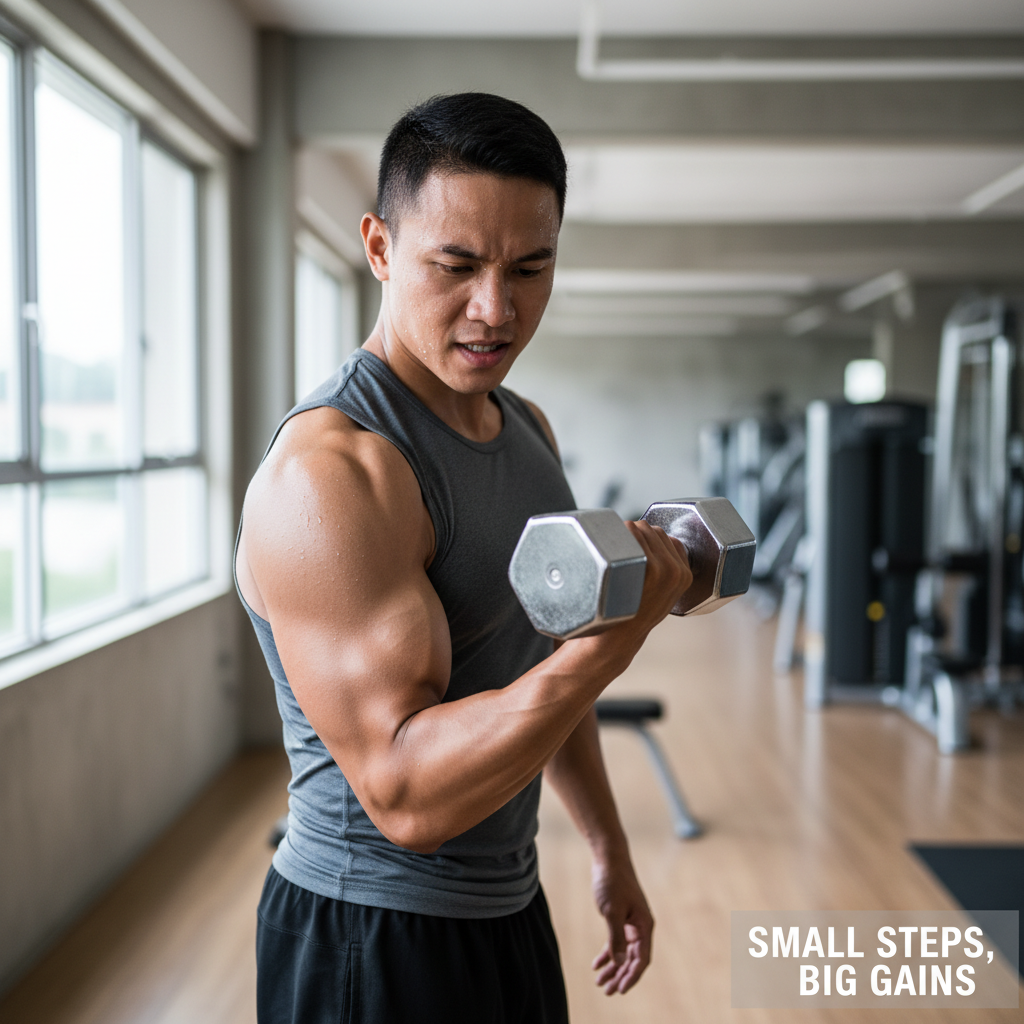
Your Game Plan: How to Start a Workout for Beginners at Home
You don’t need a fancy gym membership to get started. Your living room can be the perfect place to build a solid fitness foundation. Here’s how to begin:
1. Find Your Space and Time
Designate a small, clean area in your home for your workouts. It doesn’t have to be big—just enough room to move comfortably. Next, look at your calendar and schedule your workouts like you would any important appointment. Whether it’s 20 minutes in the morning before work or 30 minutes after the kids are asleep, blocking it off makes it real.
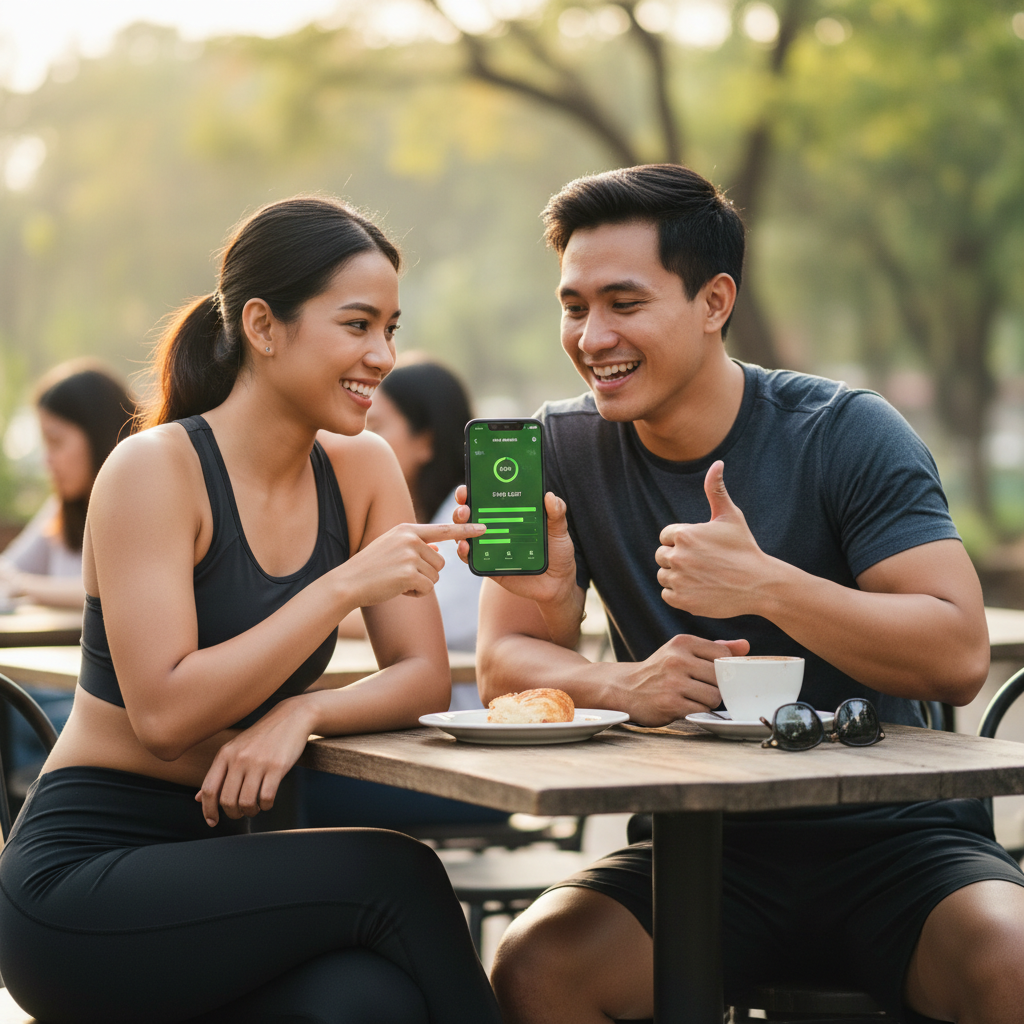
2. Start with the Basics
Focus on fundamental bodyweight movements. These are safe, effective, and require no equipment. Try a simple circuit of:
- Squats: 10-12 repetitions
- Push-ups: 8-10 repetitions (on your knees is a great place to start!)
- Lunges: 8-10 repetitions per leg
- Plank: Hold for 20-30 seconds
Rest for a minute and repeat the circuit 2-3 times. That’s it! You’ve completed a full-body workout.
From a Single Goal to a Lifelong System
Goals are good for setting a direction, but systems are what make progress. Your goal is the result you want; your system is the collection of habits that will get you there. This shift in mindset is crucial for long-term success. As a certified nutrition coach, I always tell my clients that sustainable fitness is built on repeatable actions, not on temporary, extreme diets or workouts.
Focusing on the system means celebrating the act of showing up. Did you do your scheduled workout? That’s a win. Did you add a serving of vegetables to your lunch? Another win. This approach is about building momentum. I dive deeper into this concept in my guide on the 6 Steps to Build Lasting Habits in the New Year, which perfectly complements setting your initial goals.
Building good habits is a science, and as explained by researchers from institutions like Duke University, about 40% of our daily actions are driven by habit, not conscious decision-making. By creating a fitness habit, you put your progress on autopilot.
Ditch the ‘All-or-Nothing’ Mindset
This is the final, and perhaps most important, piece of advice. You will miss a workout. You will have a day where your nutrition isn’t perfect. Life happens. The ‘all-or-nothing’ mindset says, “Well, I messed up. I might as well give up completely until next year.”
A sustainable mindset says, “Okay, that happened. Now, what’s the plan for tomorrow?” Consistency will always beat perfection. One missed workout won’t derail your progress, but quitting will. Be kind to yourself, acknowledge that you’re human, and simply get back on track with your next planned workout. That is the true secret to making your resolutions stick.
This year is about building a foundation for a healthier lifestyle, not just a temporary fix for January. You have the tools to make it happen. Lezzgo!
Are you ready to stop the cycle of failed resolutions and start a fitness journey with a proven plan and expert guidance? Let’s build a system that works for YOU. Click here to learn about my online coaching program and see if we’re a good fit!