


In the world of fitness, there’s a goal that many consider the ultimate prize: losing fat and building muscle at the same time. We see it in transformation photos and hear about it in fitness circles. This process, known as body recomposition, feels like having your cake and eating it too. But is it just a myth reserved for the genetically blessed, or is it an achievable goal for the average Pinoy?
The short answer? Yes, it’s absolutely possible. However, it’s a more nuanced process than simply hitting the gym and cutting calories. It requires a strategic approach to training, nutrition, and recovery. Let’s break down the science and the practical steps to make body recomposition in the Philippines a reality for you.
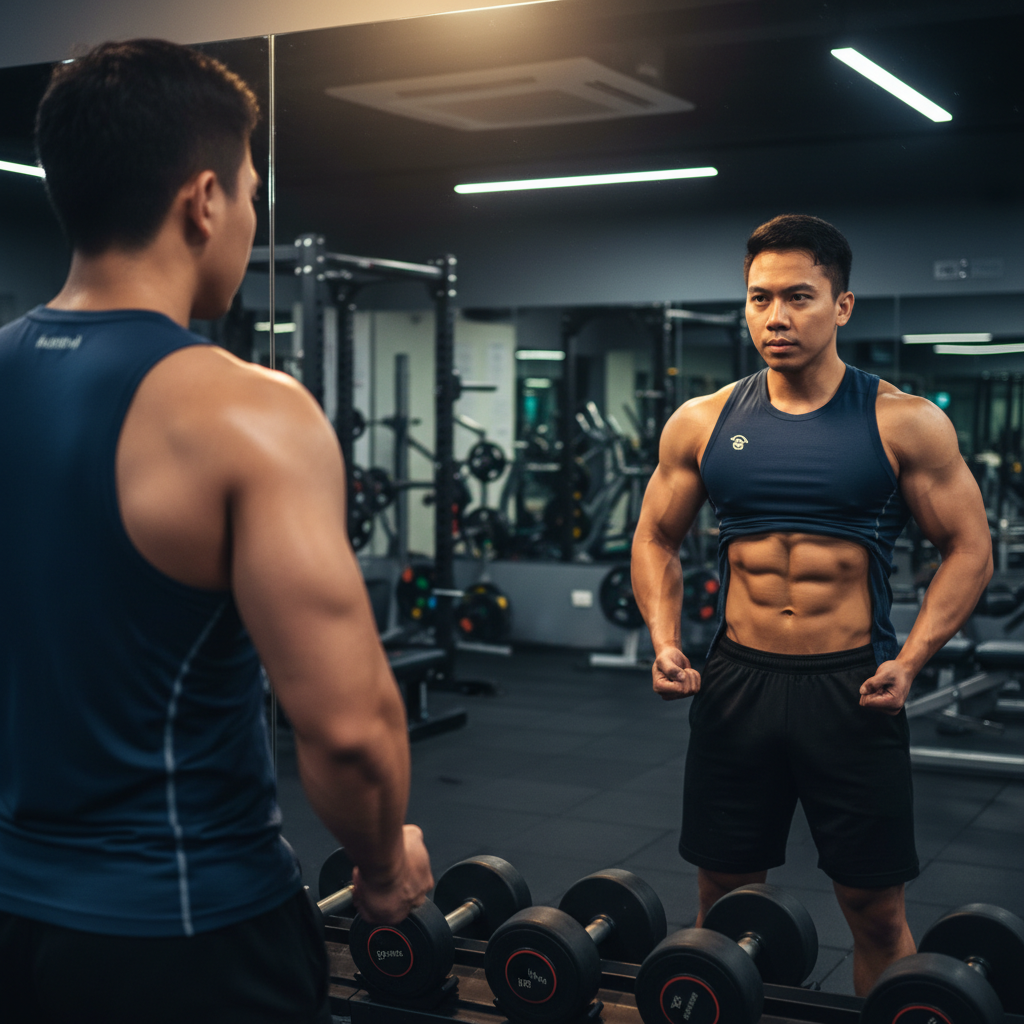
What Exactly is Body Recomposition?
Simply put, body recomposition means altering your body’s composition—decreasing your body fat percentage while simultaneously increasing your muscle mass. Unlike traditional approaches that focus on separate “bulking” (gaining weight to build muscle) and “cutting” (losing weight to shed fat) phases, recomposition aims to do both at once.
This sounds contradictory, right? Building muscle (an anabolic process) typically requires an energy surplus (eating more calories than you burn), while losing fat (a catabolic process) requires an energy deficit (eating fewer calories). So how can you do both? The key is that your body is smart. Your fat stores are essentially stored energy. With the right stimulus, your body can tap into that stored energy to fuel muscle growth, even if you’re in a slight caloric deficit.

Who Can Achieve Body Recomposition Most Effectively?
While possible for many, some groups will find it easier to achieve significant body recomposition. The less trained you are, the more dramatic and quicker the results will likely be.
- New Lifters: Beginners are prime candidates. Their bodies are so responsive to the new stimulus of resistance training that they can build muscle rapidly, a phenomenon often called “newbie gains,” even while losing fat.
- Detrained Individuals: If you were once fit but took a long break, your body’s “muscle memory” will help you regain muscle much faster than it took to build it the first time, allowing you to recomp effectively.
- Individuals with Higher Body Fat: Those with more body fat have larger energy reserves. This provides ample fuel for the muscle-building process, making it very feasible to build muscle while in a calorie deficit.
For experienced lifters, the process is much slower and requires meticulous attention to detail, but it’s not impossible. It’s a game of small, incremental changes over a longer period.
The 3 Pillars of a Successful Body Recomposition Plan
Achieving body recomposition isn’t about magic; it’s about consistently applying the right principles. As a certified Physique and Nutrition Coach, I guide my clients through these three core pillars to transform their bodies efficiently.
1. Consistent and Challenging Resistance Training
You cannot build muscle without giving your body a reason to. Resistance training is the non-negotiable signal that tells your body to build and maintain muscle mass. Without it, any weight you lose in a calorie deficit will likely include precious muscle.
- Focus on Progressive Overload: This is the golden rule. You must continually challenge your muscles by gradually increasing the weight, reps, or sets over time.
- Prioritize Compound Lifts: Exercises like squats, deadlifts, bench presses, and rows work multiple muscle groups at once, providing the most bang for your buck in stimulating muscle growth.
- Be Consistent: Aim for 2-4 strength training sessions per week. Consistency is more important than intensity.
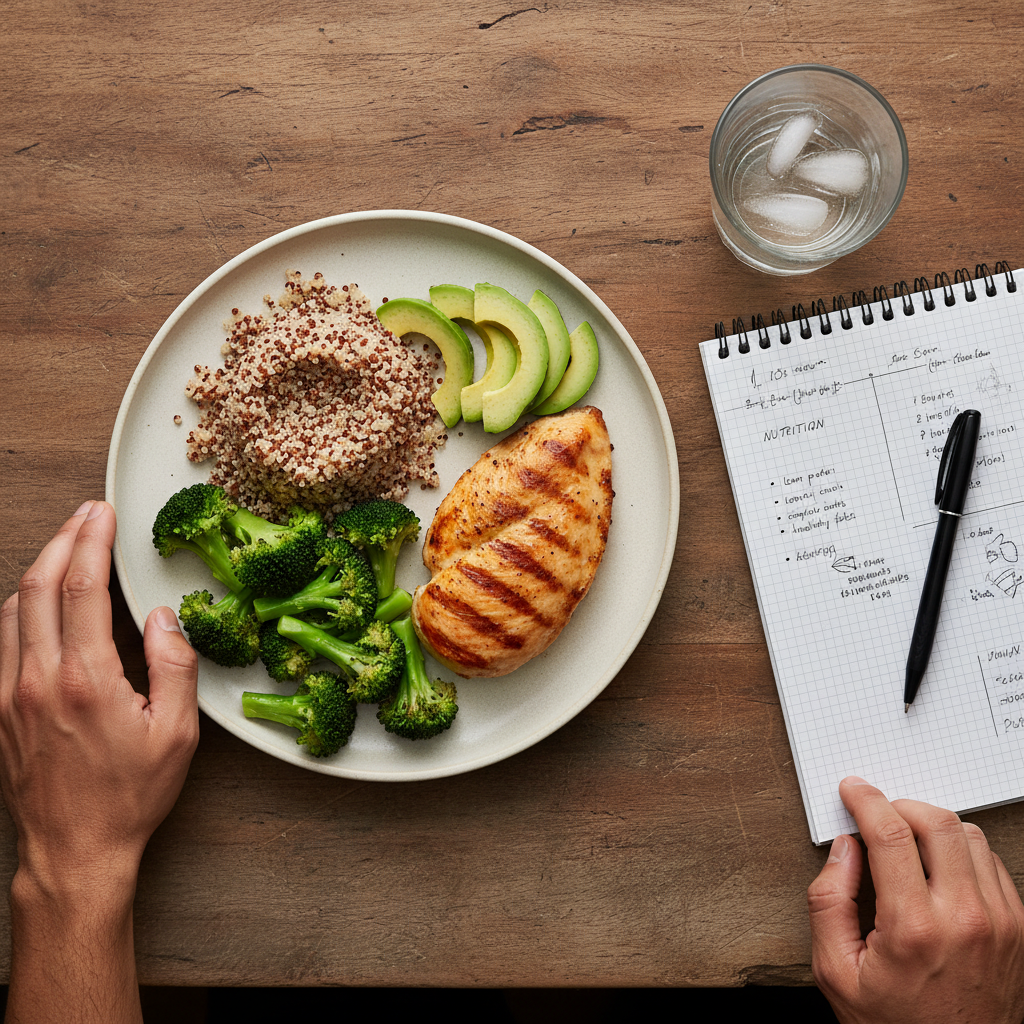
2. Strategic and Protein-Focused Nutrition
Nutrition is where the magic of recomposition is fine-tuned. You need to fuel muscle growth while encouraging fat loss. For a deeper dive, you can check out my article on unveiling muscle gain in a calorie deficit.
- Maintain a Small Calorie Deficit: This is crucial. A huge deficit will lead to muscle loss, while a surplus will prevent fat loss. Aim for a conservative deficit of 200-500 calories below your maintenance level. Your weight on the scale might not change much, but your reflection in the mirror will.
- Eat a High-Protein Diet: Protein is the building block of muscle. A high intake is essential to repair the muscle you break down during training and to build new tissue. A landmark study from the International Society of Sports Nutrition recommends an intake of 1.4–2.0 g of protein per kg of body weight for active individuals. For recomposition, aiming for the higher end of this range (around 1.8-2.2g/kg) is often beneficial.
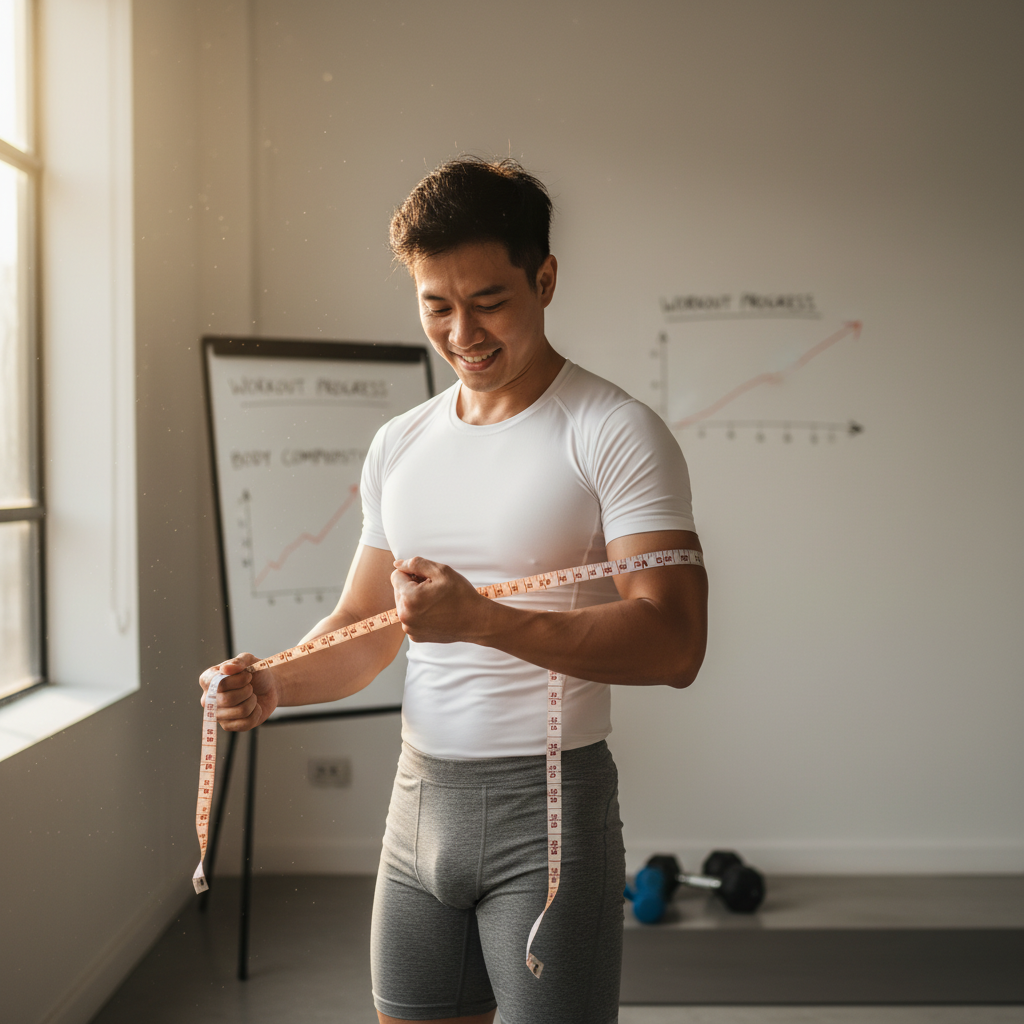
3. Prioritize Sleep and Recovery
What you do outside the gym is just as important as what you do inside it. Your muscles aren’t built during your workout; they’re built while you rest.
Sleep is when your body produces growth hormone and manages cortisol (the stress hormone). Poor sleep can sabotage your efforts by hindering muscle repair and encouraging fat storage. Aim for 7-9 hours of quality sleep per night. As research from sources like the Sleep Foundation highlights, this is a non-negotiable part of any serious fitness plan.
Your Blueprint for Success
Body recomposition is not a quick fix, but a sustainable approach to transforming your physique. It teaches you to build healthy, lasting habits. Instead of jumping between extreme bulking and cutting phases, you can make steady, visible progress year-round. It requires patience and consistency, but seeing your body become stronger and leaner simultaneously is one of the most rewarding experiences in fitness.
Stop the guesswork and endless cycles of gaining and losing the same weight. If you’re ready to apply these principles with a structured, guided approach tailored to your lifestyle, it might be time to consider expert help.
Ready to transform your body the smart way? Join the #BodyByCoachJeff Online Coaching Program and let’s build a stronger, leaner you together. Lezzgo!




One thought on “Body Recomposition: How to Lose Fat and Build Muscle Simultaneously”