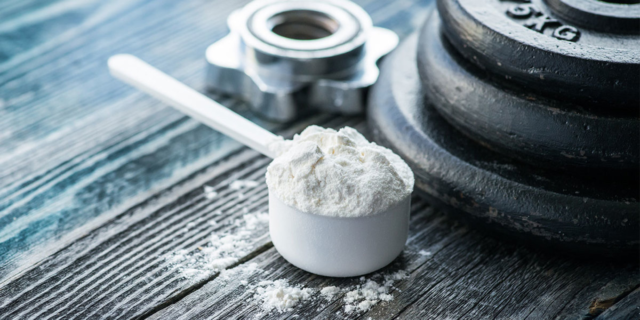


As the cooler “-ber” months roll in here in the Philippines, many of us swap our tank tops for hoodies. This season of cozy weather and holiday feasts presents a golden opportunity for anyone serious about fitness. Welcome to the official bulking season—the best time of the year to strategically pack on quality muscle mass.
But let’s be clear: bulking isn’t an excuse to eat everything in sight. A successful bulk is a calculated, scientific process. It’s about fueling your body for growth while minimizing fat gain. Forget the old-school “dirty bulk” that leaves you feeling sluggish. We’re aiming for a lean, effective bulk that builds a stronger, more muscular physique. As a certified Physique and Bodybuilding specialist, I’m here to guide you through it with a no-nonsense, evidence-based approach.
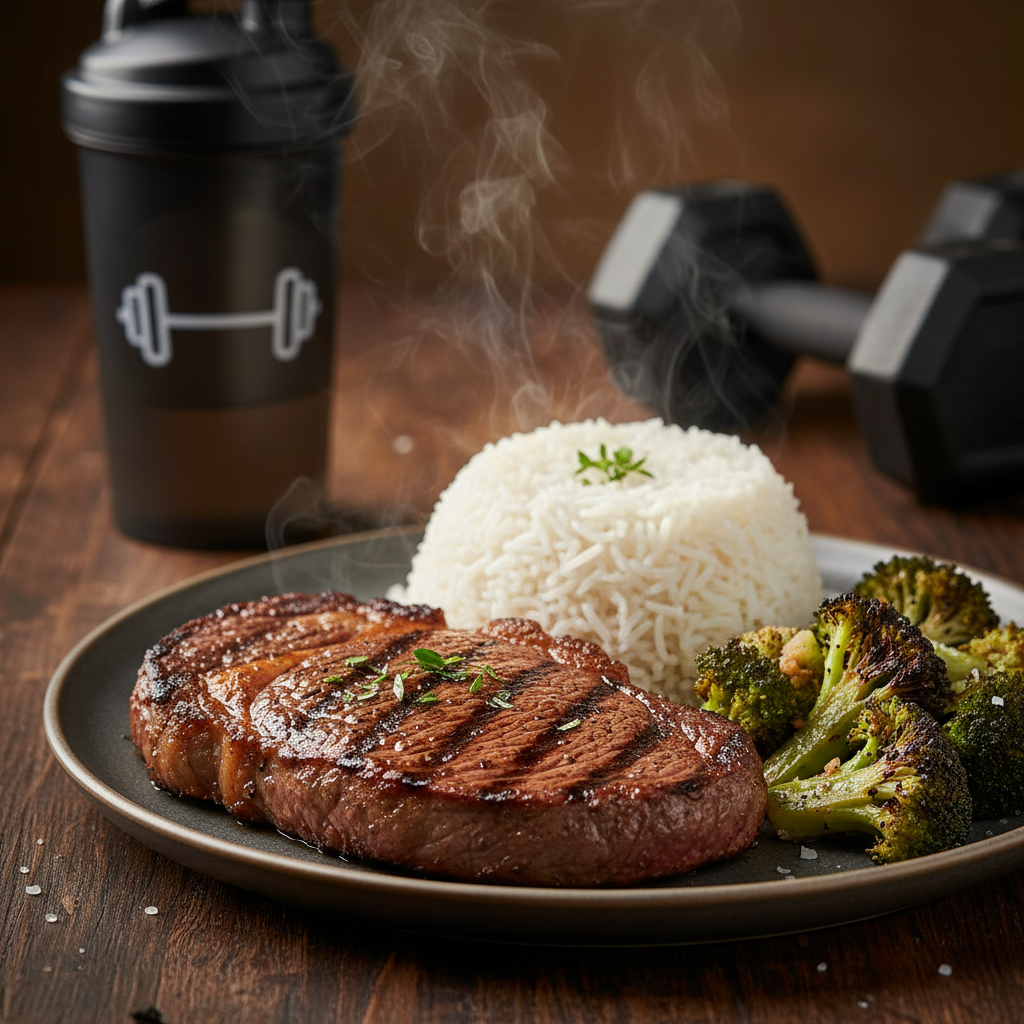
The Foundation: Smart Bulking Nutrition
You can’t out-train a bad diet, especially when you’re trying to gain mass. Building muscle requires a specific nutritional strategy. As a Certified Nutrition Coach, I emphasize that what you eat is just as important as how you lift.
Calculate Your Caloric Surplus
To build muscle, you need to consume more calories than your body burns. This is called a caloric surplus. However, a massive surplus will lead to unwanted fat. For a lean bulk, aim for a modest surplus of 250-500 calories above your Total Daily Energy Expenditure (TDEE). This provides enough energy to build muscle tissue without significant fat storage.
Master Your Macros for Mass Gain
Once your calories are set, it’s time to focus on macronutrients:
- Protein: This is the building block of muscle. You absolutely cannot skimp on it. Aim for 1.6 to 2.2 grams of protein per kilogram of body weight. This ensures your muscles have the raw materials they need to repair and grow after intense workouts. A study from the International Society of Sports Nutrition supports this range for maximizing muscle growth.
- Carbohydrates: Carbs are your primary energy source. They fuel your workouts, allowing you to lift heavier and push harder. They also play a role in recovery. Don’t fear carbs; just choose wisely. Opt for complex sources like rice, sweet potatoes, and whole grains.
- Fats: Healthy fats are crucial for hormone production, including testosterone, which is vital for muscle building. Incorporate sources like avocado, nuts, seeds, and olive oil into your diet.

Training to Maximize Muscle Growth
Your work in the kitchen needs to be matched by intensity in the gym. A bulking phase is the time to challenge your body with heavy, structured training.
Focus on Compound Lifts
Compound exercises are multi-joint movements that recruit multiple muscle groups at once. They are the most efficient exercises for building overall strength and size. Your training program should be built around these key lifts:
- Squats: For lower body strength and development.
- Deadlifts: For a powerful back, glutes, and hamstrings.
- Bench Press: For building the chest, shoulders, and triceps.
- Overhead Press: For developing strong, broad shoulders.
- Rows: For a thick, well-developed back.
Embrace Progressive Overload
To grow, your muscles must be forced to adapt to a stress they aren’t used to. This is the principle of progressive overload. Each week, you should aim to do slightly more than you did the last time—whether it’s adding a little more weight, doing one more rep, or performing an extra set. This constant challenge is what signals your body to build more muscle.
The goal is to intelligently add muscle while keeping fat gain minimal. This approach shares principles with body recomposition, where you focus on building muscle and losing fat, often simultaneously. It’s about being strategic with both your diet and training.

Don’t Forget Recovery and Lifestyle
Muscle isn’t built in the gym; it’s built during recovery. Neglecting this crucial part of the process will sabotage your results.
Prioritize Sleep
Sleep is when your body does most of its repair work. During deep sleep, your body releases growth hormone, which is essential for muscle growth. Aim for 7-9 hours of quality sleep per night. According to the Sleep Foundation, skimping on sleep can impair muscle recovery and hinder your progress.
Use Cardio Wisely
Many people ditch cardio entirely when bulking, fearing it will kill their gains. This is a mistake. Including 2-3 sessions of low-intensity steady-state (LISS) cardio per week can improve your cardiovascular health, increase your work capacity in the gym, and help manage fat gain by boosting your metabolism. A simple 20-30 minute walk on an incline is all you need.
For those just starting out and wondering how to start workout for beginners at home, these principles still apply. You can begin with bodyweight compound movements like squats and push-ups and focus on mastering your nutrition from day one.

Your Winter Bulk Starts Now
A successful winter bulk is a game of consistency and smart choices. It’s about nourishing your body, training with purpose, and recovering effectively. By following these evidence-based principles, you can make this season your most productive one yet, building a stronger foundation for the year ahead.
Ready to stop guessing and start building? If you want a clear, personalized roadmap to achieve your physique goals, it might be time for a more guided approach. Let’s work together to create a plan that fits your body and lifestyle. Lezzgo!