


In the Philippines, conversations about health often revolve around managing blood pressure, diabetes, or weight. But there’s a quieter, more insidious battle many families face: the slow decline of cognitive function and the devastating impact of diseases like Alzheimer’s. It’s a concern that weighs heavily on us, whether we’re thinking about our own future or caring for our aging parents. The search for ways to protect our most vital organ has led researchers down many paths, and recent findings have illuminated a promising new avenue: a humble amino acid called L-Arginine.
New research is shedding light on how this supplement could significantly reduce the damage caused by Alzheimer’s disease. This isn’t about a miracle cure, but about a powerful tool that could be part of a proactive strategy for long-term brain health. For busy professionals and parents, finding effective, science-backed strategies for healthy aging is more important than ever.
What Exactly is L-Arginine?
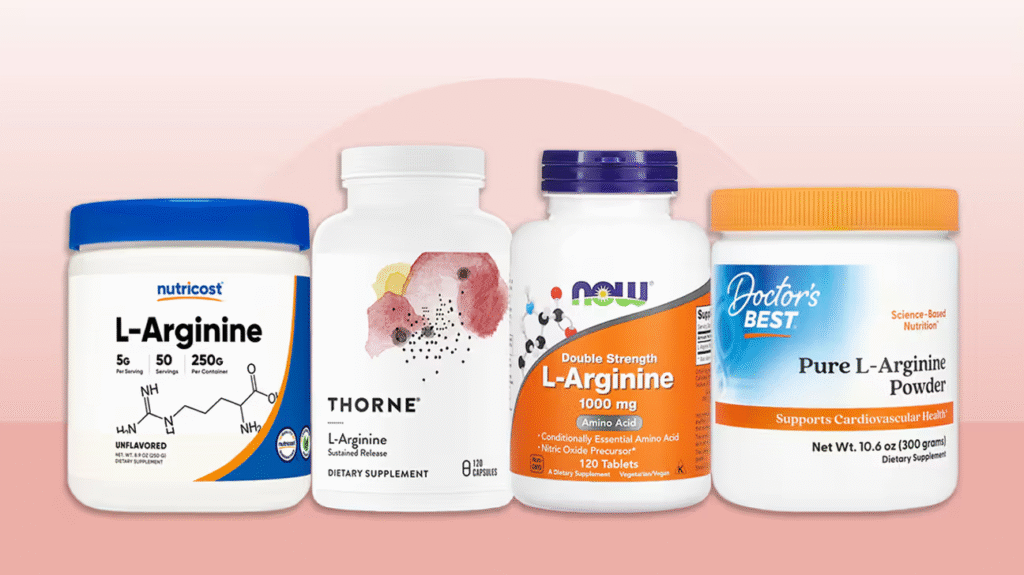
Before we dive into the brainy stuff, let’s get acquainted with our subject. L-Arginine is a semi-essential amino acid, which means that while our bodies can produce it, we sometimes need more from our diet, especially under certain conditions like illness or stress. It serves as a crucial building block for proteins.
However, its most celebrated role is as a precursor to nitric oxide (NO). Think of nitric oxide as the body’s natural traffic controller for your circulatory system. It signals blood vessels to relax and widen, a process called vasodilation. This simple action is vital for maintaining healthy blood flow, which is essential for delivering oxygen and nutrients to every part of your body—most importantly, your brain.
The Link Between L-Arginine and Alzheimer’s Damage
So, how does managing blood flow connect to a complex neurological condition like Alzheimer’s? The link is more direct than you might think. Alzheimer’s disease is characterized by the buildup of amyloid plaques and tau tangles in the brain, which disrupt communication between nerve cells and lead to cell death.
Here’s where L-Arginine steps in. A study published in the Journal of Biological Chemistry highlights the critical role of nitric oxide in neural function. By improving blood flow through vasodilation, L-Arginine helps ensure the brain receives a steady supply of oxygen and nutrients. This enhanced circulation can potentially help in a few ways:
- Clearing Metabolic Waste: Better blood flow may help the brain’s natural cleaning processes to more effectively remove toxic waste products, like the components of amyloid plaques.
- Reducing Inflammation: Chronic inflammation is a known contributor to the progression of Alzheimer’s. Nitric oxide has anti-inflammatory properties that can help protect brain tissue.
- Supporting Neuron Health: A well-nourished brain is a resilient brain. Consistent delivery of oxygen and nutrients helps keep neurons healthy and functioning optimally.

More Than Just a Pill: A Holistic Approach is Key
While the potential benefits of L-Arginine are exciting, it’s crucial to understand that no supplement works in a vacuum. As a certified nutrition coach, I always emphasize that true wellness comes from a comprehensive strategy. Think of supplements as boosters for an already solid foundation of a healthy lifestyle.
This is where proactive measures like diet and exercise become non-negotiable. Physical activity, in particular, is a powerhouse for cognitive protection. It’s no surprise that a tailored approach to fitness for seniors in the Philippines is gaining traction as a vital component of long-term health. The connection is so strong, in fact, that specific exercises can directly impact brain function. We explored this in-depth in our article on the surprising link between leg workouts and cognitive health.
Is L-Arginine Safe and How Can You Get It?
L-Arginine is naturally found in protein-rich foods like red meat, poultry, fish, dairy, and nuts. For many, a balanced diet provides a sufficient amount. However, for those looking at supplementation for specific therapeutic benefits, it’s available in capsule or powder form.
Generally, it is considered safe for most people. However, it’s essential to approach supplementation with caution and knowledge. According to health authorities like the Mayo Clinic, individuals with certain conditions, such as asthma or low blood pressure, should be cautious. The golden rule is to always consult with your doctor or a qualified healthcare professional before adding any new supplement to your regimen. This ensures it’s appropriate for your individual health needs and won’t interact with other medications.
The Takeaway: Proactive Steps for a Sharper Future
The latest research on L-Arginine offers a promising piece of the puzzle in our fight against cognitive decline. It underscores the profound impact that something as fundamental as circulatory health can have on our brain. While not a magic bullet, it represents a valuable component of a multi-faceted defense strategy.
Protecting your health requires a smart diskarte—a plan that combines proper nutrition, consistent exercise, and informed choices. If you’re ready to stop guessing and start building a personalized roadmap to long-term wellness for yourself or your loved ones, we’re here to help.
Take the first step towards a healthier, stronger future. Learn more about the #BodyByCoachJeff online coaching program and discover how a structured plan can make all the difference.