

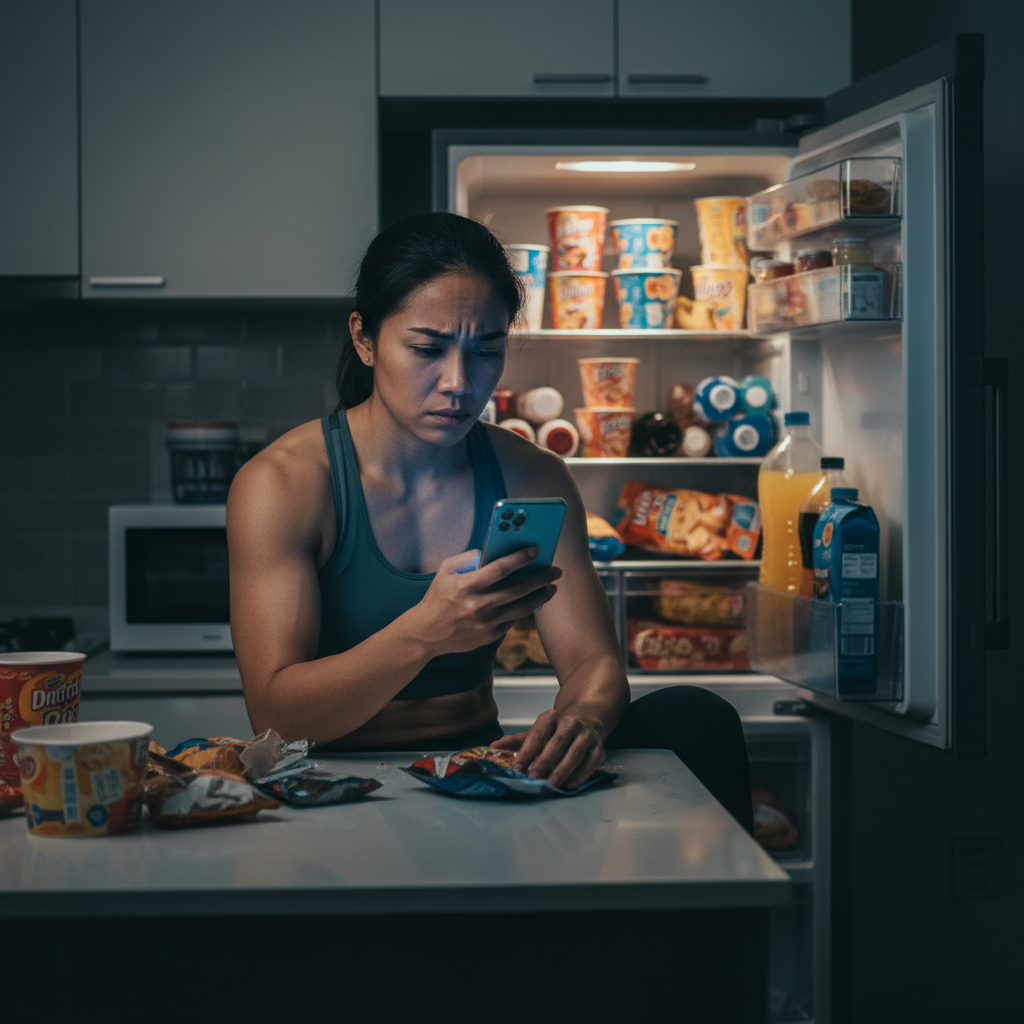
As a busy parent or professional in the Philippines, your day is a constant race against the clock. Between deadlines, traffic, and family duties, finding time to prepare a healthy meal can feel like an impossible task. It’s so easy to reach for a quick fix—instant noodles, canned goods, sugary drinks, or packaged snacks. They promise convenience, and they deliver. But at what cost? Recent research is sounding a loud alarm, confirming a dangerous link between these foods and a rise in chronic diseases.
These aren’t just regular processed foods like canned vegetables or cheese. We’re talking about ultra-processed foods (UPFs), and they are likely filling up more of your pantry than you realize. Understanding what they are and how they impact your body is the first crucial step toward building a genuinely healthy lifestyle for you and your loved ones.

What Exactly Are Ultra-Processed Foods?
Think of UPFs as products from a factory, not a farm. They are industrial formulations made mostly from substances extracted from foods (like fats, starches, and sugars) or synthesized in labs. They contain long lists of ingredients you wouldn’t find in a home kitchen, including artificial flavors, colors, emulsifiers, and preservatives designed to make them taste intensely good and last forever on the shelf.
Common examples in a typical Filipino household include:
- Instant noodles and canned processed meats (like hotdogs and luncheon meat)
- Packaged sweet and savory snacks (chips, cookies, crackers)
- Sugary breakfast cereals
- Mass-produced breads and pastries
- Sugar-sweetened beverages like sodas and powdered juices
The Alarming Link Between UPFs and Chronic Disease
The evidence is no longer just speculation. Major scientific studies are consistently showing a strong connection between high consumption of UPFs and serious health problems. A large-scale review published in The BMJ found direct links between higher intake of UPFs and an increased risk of 32 adverse health outcomes, including heart disease, type 2 diabetes, obesity, and even anxiety and depression.
So, why are these foods so detrimental?
- Nutritionally Empty: They are packed with calories, unhealthy fats, and sugar but stripped of essential nutrients like fiber, vitamins, and minerals.
- Designed for Overconsumption: Their combination of salt, sugar, fat, and artificial flavors makes them hyper-palatable, meaning they are engineered to be irresistible, short-circuiting your body’s natural fullness signals.
- Harmful Additives: The long-term effects of consuming a cocktail of industrial additives are still being studied, but many are linked to inflammation and disruptions in gut health.
For anyone searching for effective strategies on how to lose weight philippines, reducing UPF intake is a non-negotiable starting point. These foods actively work against your weight loss goals by promoting overeating and poor nutrition.

Making Smarter Choices: A Sustainable Shift for Busy Filipinos
As a certified nutrition coach, I understand that overhauling your entire diet overnight isn’t realistic. The goal is not perfection but progress. It’s about making a conscious mindset shift towards whole, minimally processed foods—the kind of food your great-grandparents would recognize.
Here are some simple swaps to get you started:
- Instead of powdered juice or soda, try water infused with cucumber and lemon, or brew your own iced tea with minimal sugar.
- Instead of sugary cereals for breakfast, opt for oatmeal with fresh fruit or eggs (*itlog*).
- Instead of instant noodles for *merienda*, have a banana, a handful of nuts, or some boiled sweet potato (*kamote*).
The key is to start reading labels. If the ingredient list is long and full of unpronounceable chemicals, it’s a sign to put it back on the shelf. It’s also important to understand the context of your meals. Many people worry about the timing of their food, but what you eat is far more critical. This is a topic I explore further in my article on The Truth About Late-Night Eating: What Science Really Says, which debunks common myths about meal timing.
Your Health is Your Greatest Investment
Moving away from ultra-processed foods isn’t just about weight loss; it’s about reclaiming your health, boosting your energy, and setting a positive example for your children. It’s a powerful act of self-care that pays dividends for years to come. While the convenience of UPFs is tempting, the long-term cost to your well-being is far too high.
Feeling overwhelmed and not sure where to start? You’re not alone. Building a healthy, sustainable eating plan takes knowledge and strategy, especially with a busy schedule.
Take the first step towards lasting change. Uncover the exact strategies I use to help clients lose weight and build a healthier relationship with food by checking out my Fat Loss Blueprint. It’s time to move from quick fixes to real, sustainable results. Lezzgo!