

In the non-stop culture of the Philippines, especially for busy parents and professionals, sleep often feels like a luxury we can’t afford. We trade it for a few more hours of work, family time, or that rare moment of peace after everyone else is in bed. We call it the ‘diskarte’ of modern life—a necessary sacrifice to get ahead. But what if this nightly trade-off is costing us more than just a groggy morning? What if it’s silently stealing years from our life?
It’s a sobering thought, but a growing body of scientific evidence confirms this very fear. Researchers have discovered a powerful link between chronic sleep deprivation and a significantly higher risk of premature death. It’s not about being lazy or unproductive; it’s about recognizing sleep as a non-negotiable pillar of a healthy lifestyle and long-term wellness.
The Science Behind the Danger Zone
For years, scientists have been unraveling the complex ways our bodies recharge during sleep. It’s when our cells repair, our brains consolidate memories, and our hormones regulate. When we consistently get less than the recommended seven to nine hours, we disrupt these critical processes. A landmark study published in the Journal of the American College of Cardiology found that individuals who slept less than six hours a night had a 20% higher risk of a heart attack. The body, deprived of rest, enters a state of high alert, increasing inflammation and stress hormones like cortisol, which are precursors to chronic diseases.
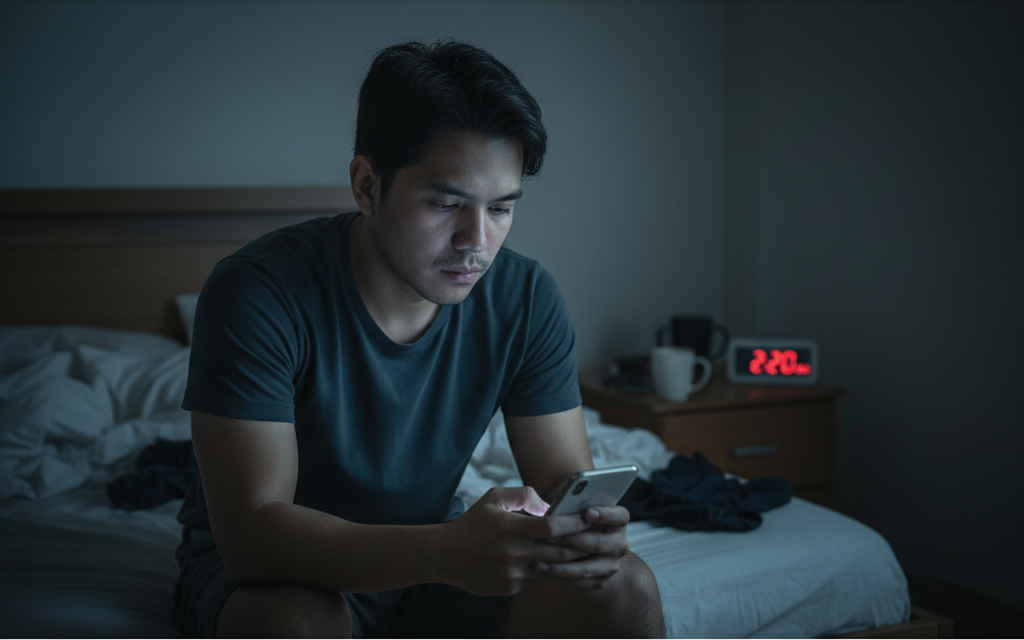
Think of it like running your car’s engine 24/7 without ever changing the oil. Eventually, the system breaks down. For our bodies, this breakdown can manifest as hypertension, cardiovascular disease, type 2 diabetes, and a weakened immune system. The very hustle that we hope will build a better future could be preventing us from being healthy enough to enjoy it.
More Than Just Disease: The Daily Impact on Your Fitness Goals
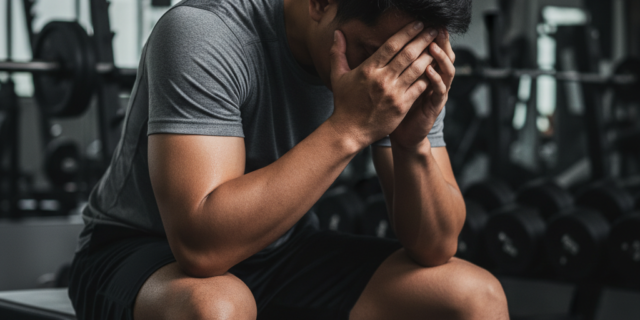
While the long-term risks are alarming, the short-term effects of poor sleep are just as damaging to our daily performance and fitness goals. Have you ever felt too exhausted to work out, even when you had it scheduled? That’s your body sending a clear signal. As I’ve discussed before in my article on how sleep deprivation is sabotaging your workouts, a lack of quality rest can completely derail your progress.
Here’s what happens on less than 7 hours of sleep:
- Hormonal Havoc: Your body produces more ghrelin (the hunger hormone) and less leptin (the fullness hormone), leading to intense cravings for high-calorie, sugary foods.
- Reduced Muscle Repair: Sleep is when your body produces the most growth hormone, which is essential for repairing the muscle fibers you break down during exercise. Less sleep means slower recovery and fewer gains.
- Decreased Performance: Your reaction time, strength, and endurance all take a significant hit, making your workouts less effective and increasing your risk of injury.
Actionable Steps to Reclaim Your Rest
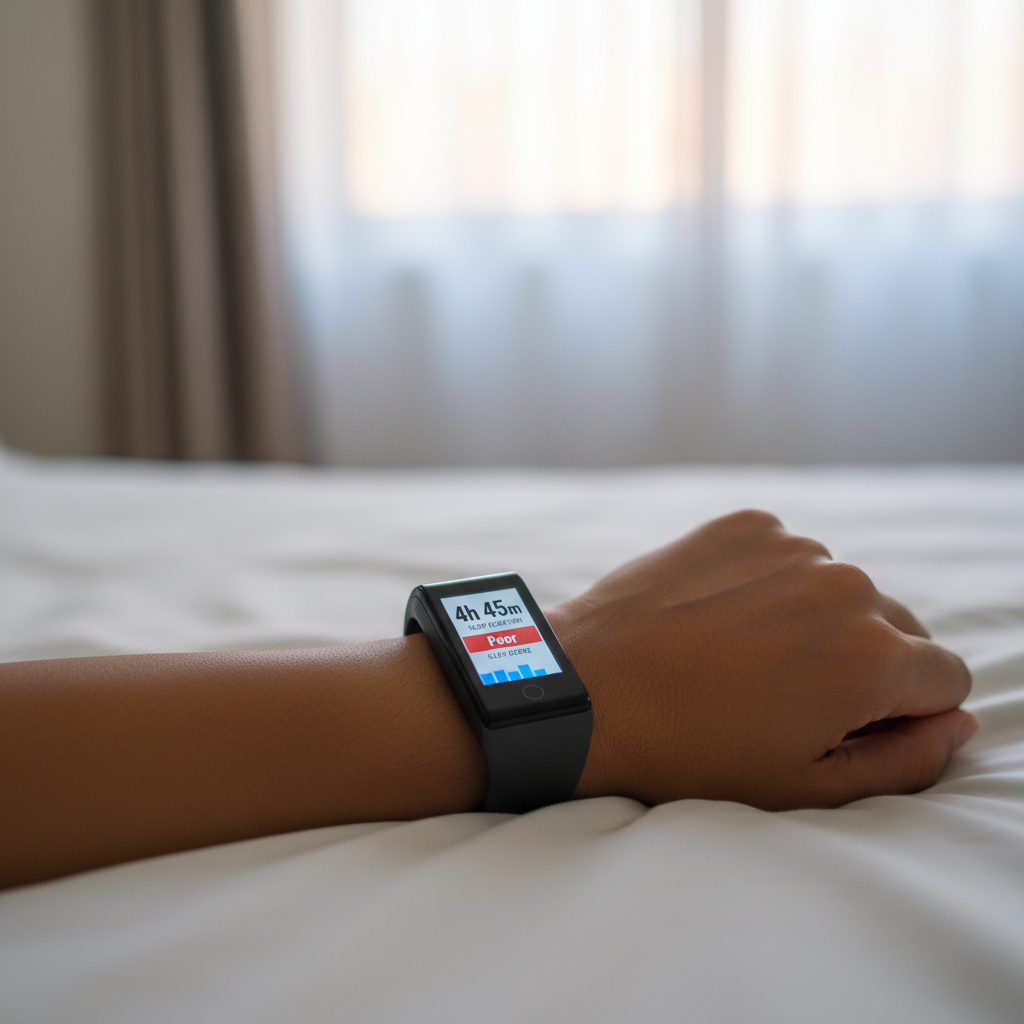
Understanding the problem is the first step, but taking action is what truly matters. For the time-strapped individual, adding more hours to the day is impossible. The solution lies in improving the quality of the sleep you do get. As a certified nutrition coach, I always emphasize that your daily habits are interconnected.
1. Create a Wind-Down Ritual
You can’t go from 100 to 0 in five minutes. Dedicate the last 30-60 minutes before bed to screen-free activities. Read a book, listen to calming music, do some light stretching, or meditate. This signals to your brain that it’s time to prepare for sleep.

2. Optimize Your Environment
Your bedroom should be a sanctuary for sleep. Make it as dark, quiet, and cool as possible. Blackout curtains, earplugs, or a white noise machine can make a world of difference in your sleep quality. According to the Sleep Foundation, a cool room temperature is ideal for sleeping.
3. Be Mindful of What You Consume
Avoid heavy meals, caffeine, and alcohol close to bedtime. Caffeine can stay in your system for hours, and while alcohol might make you feel drowsy initially, it severely disrupts the quality of your sleep later in the night. Opt for a light, protein-rich snack if you’re hungry.
Your Health is Your Greatest Asset
Sleep is not a sign of weakness or a waste of time. It is a fundamental, biological necessity and one of the most powerful tools you have for building a long, vibrant, and healthy life. Prioritizing your rest is an investment in your future, ensuring you have the energy and vitality to achieve your goals and be present for your loved ones.
If you’re struggling to balance your packed schedule with your health goals, you’re not alone. Building a sustainable healthy lifestyle often requires a clear strategy and a strong support system. A structured plan can help you integrate fitness, nutrition, and yes, even better sleep, into your busy life without the guesswork.